Why fat loss stops after 40 is one of the most common—and misunderstood—problems adults face.
You’re doing what used to work:
✅ Eating less
✅ Moving more
✅ Adding cardio
✅ Cutting carbs
✅ Tracking calories
✅ Training consistently
Yet fat loss stalls. Energy drops. Sleep gets lighter. Recovery worsens. And body fat—especially around the midsection—refuses to budge.
That doesn’t mean you lost discipline.
It means your body changed how it responds to stress, calories, and training.
This article is part of the Fat Loss After 40 Recovery Framework.
Why Fat Loss Stops After 40 Is Not a Willpower Problem
Calories still matter. But after 40, calories are no longer the primary driver.
Your body is constantly interpreting signals such as:
🔹 Energy availability
🔹 Stress load
🔹 Sleep quality
🔹 Strength trends
🔹 Recovery capacity
🔹 Inflammation
When those signals suggest instability, the body adapts by conserving energy and protecting stored fat.
That’s why cutting more calories often backfires instead of accelerating results.
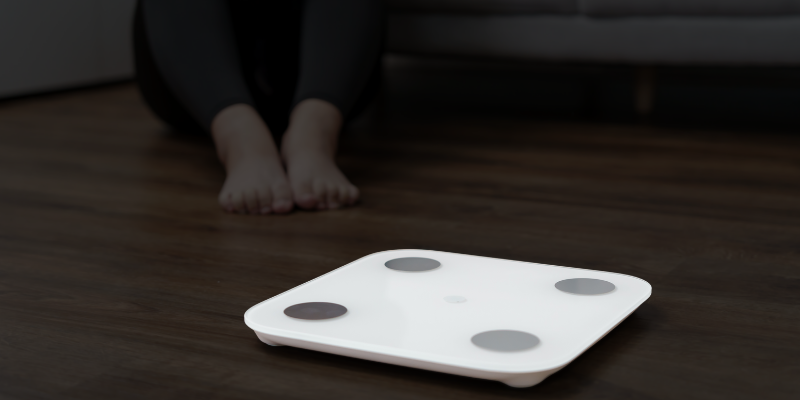
The Hidden Loop That Causes Fat Loss to Stall After 40
This is the pattern most people don’t realize they’re stuck in:
🔹 Diet harder → sleep worsens → cravings increase
🔹 Add cardio → recovery drops → strength declines
🔹 Lose muscle → insulin sensitivity worsens
🔹 Metabolic output drops → fat loss stalls
At this point, most people blame themselves.
The truth is simpler: the body has shifted into protection mode.
Metabolic Adaptation Becomes More Aggressive After 40
Metabolic adaptation happens at any age. After 40, it tends to hit faster and last longer.
During calorie restriction, the body adapts by:
🔹 Lowering resting metabolic rate
🔹 Reducing spontaneous movement (NEAT)
🔹 Increasing hunger and food focus
🔹 Burning fewer calories for the same work
After 40, this adaptation is amplified because:
🔹 Sleep quality is more fragile
🔹 Stress exposure is higher
🔹 Recovery capacity is lower
🔹 Lean muscle is easier to lose
This is a major reason why fat loss stops after 40 even when calories are low.
Muscle Loss Quietly Shuts Down Fat Loss
Muscle is not just aesthetic—it’s metabolic.
Muscle supports:
🔹 Glucose disposal
🔹 Insulin sensitivity
🔹 Resting energy expenditure
🔹 Training performance
After 40, muscle loss accelerates if resistance training and protein intake aren’t deliberate.
A common mistake:
🔹 Dieting like a smaller person
🔹 Training like a stressed person
That combination leads to muscle loss—and once muscle declines, fat loss becomes much harder.
Insulin Resistance Becomes the Gatekeeper
Insulin resistance after 40 often develops before blood sugar labs look abnormal.
Common signs include:
🔹 Abdominal fat gain
🔹 Post-meal fatigue
🔹 Carb intolerance (puffy, sleepy, cravings)
🔹 Easy fat regain
🔹 Fat loss stalls despite consistency
As muscle becomes less responsive to insulin with age, calories are more easily shuttled toward fat storage instead of muscle. This is why insulin resistance after 40 quietly becomes one of the biggest reasons fat loss stalls—even when diet and training look dialed in.
Why Fat Loss Stops After 40 Even When Labs Look “Normal”
Reference ranges show presence—not performance.
You can have:
🔹 Normal fasting glucose
🔹 Normal A1C
🔹 Thyroid labs “in range”
And still experience:
🔹 Poor glucose uptake into muscle
🔹 Reduced tissue-level thyroid activity
🔹 Stress signaling that favors fat storage
🔹 Metabolic inflexibility
At the cellular level, the message remains the same:
🔹 “Energy is unstable. Store it.”
That’s why fat loss can stop long before anything looks “wrong” on paper.
Cortisol Becomes a Fat-Storage Signal
Cortisol is essential—but chronic elevation changes everything.
After 40, cortisol load increases due to:
🔹 Fragmented sleep
🔹 Sustained life stress
🔹 Repeated dieting cycles
🔹 Overtraining
🔹 Stimulant dependence
Chronic stress signaling drives:
🔹 Visceral fat storage
🔹 Muscle breakdown
🔹 Reduced thyroid conversion
🔹 Increased cravings
This is why many adults train hard yet feel softer.
Over time, chronic stress changes how the nervous system regulates energy, recovery, and fat storage. This pattern of cortisol and nervous system dysregulation pushes the body toward protection mode, making fat loss feel increasingly out of reach.
Mitochondria Stop Responding to Brute-Force Strategies
Mitochondria burn fat. With age, they become less responsive to chronic stress and restriction.
Factors that impair mitochondrial output include:
🔹 Chronic under-fueling
🔹 Excessive cardio
🔹 Inflammation
🔹 Poor sleep
When mitochondria downshift:
🔹 Fat oxidation drops
🔹 Energy drops
🔹 Motivation drops
This further reinforces defensive fat storage.
Why “Eat Less, Move More” Works at 30 but Fails at 45
At 30, calorie deficits usually produce:
🔹 Fat loss
🔹 Mild adaptation
🔹 Preserved recovery
At 45+, the same deficit often produces:
🔹 Stronger metabolic slowdown
🔹 Greater cortisol signaling
🔹 More muscle loss
🔹 Faster rebound
Fat loss stops not because effort disappears—but because the cost of restriction is higher.
Defensive Fat Loss Signals After 40
| System | What Changes | Impact on Fat Loss |
|---|---|---|
| Muscle | Easier loss under stress | Lower insulin sensitivity |
| Cortisol | Higher baseline stress | Visceral fat storage |
| Mitochondria | Lower efficiency | Reduced fat oxidation |
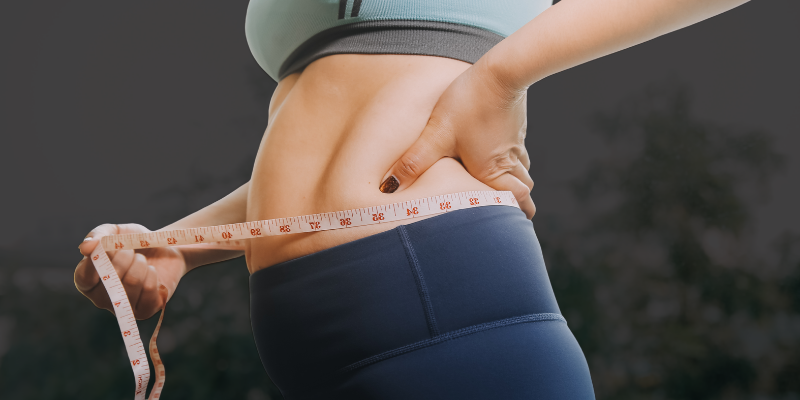
What Actually Restarts Fat Loss
These are the non-negotiables:
✅ Prioritize strength to preserve muscle
✅ Anchor protein intake daily
✅ Stabilize sleep before cutting harder
✅ Use cardio strategically, not compulsively
✅ Diet in phases, not endlessly
✅ Reduce chronic stress because stress is metabolic
When these signals improve, fat loss resumes naturally.
Once sleep, training, protein intake, and stress are stabilized, some people benefit from additional recovery and signaling support. In those cases, thoughtfully designed peptide protocols for adults over 40 can help reinforce metabolic flexibility rather than trying to force fat loss through restriction alone.
Evidence-Based Support
Sustained calorie restriction reduces resting energy expenditure beyond predicted weight loss.
→ Adaptive thermogenesis in humans, Rosenbaum & Leibel, 2010, Obesity Reviews
Chronic stress is associated with increased abdominal fat accumulation.
→ Stress and visceral obesity, Epel et al., 2000, Psychoneuroendocrinology
Age-related mitochondrial decline impairs fat oxidation and metabolic flexibility.
→ Mitochondrial function in aging, Petersen et al., 2003, Science
Ready to Rebuild Your Energy & Resilience?
If fat loss stopped after 40, the answer isn’t more punishment. It’s restoring the signals your body needs to respond again.
Why Fat Loss Stops After 40 – FAQs
why fat loss stops after 40 fat loss after 40 fat loss resistance after 40 insulin resistance after 40 cortisol fat storage muscle loss after 40 metabolism after 40