Recovery and fat loss after 40 no longer respond to effort alone.
You can train hard.
You can eat “perfectly.”
You can stay consistent for months.
And fat loss can still stay locked.
That’s not because you’re broken — it’s because after 40, fat loss is regulated, not rewarded.
The system that decides whether fat is released or stored is your nervous system, not your discipline.
This article explains the missing lever behind nearly every plateau: recovery capacity.
This article is part of the Fat Loss After 40 Recovery Framework.
Why Fat Loss Stalls Even With Perfect Training and Nutrition
By this point in the series, you already understand:
✅ Why fat loss stops after 40
✅ Why hormones change the rules
✅ Why more effort backfires
✅ Why fueling must be restored
✅ Why training stress must be managed
And yet many people still ask:
“If training and nutrition are dialed in, why hasn’t fat loss restarted?”
Because training and food are inputs — not permission.
Fat loss only occurs when the body interprets its environment as safe enough to release stored energy. If recovery is insufficient, the signal never clears.
Effort increases stress.
Stress suppresses fat loss.
After 40, that tradeoff becomes unavoidable.
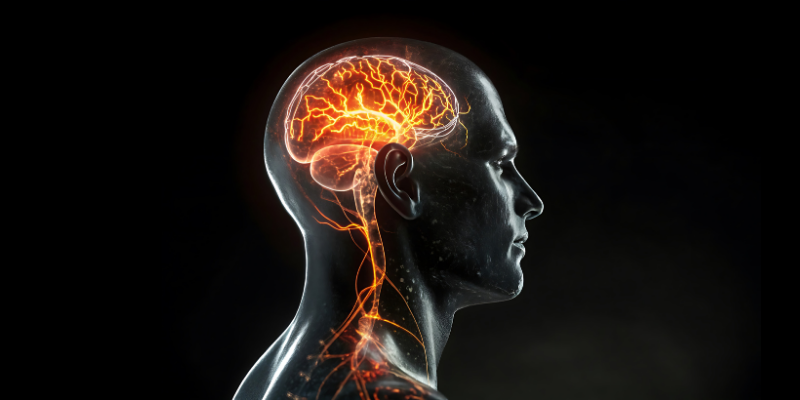
The Nervous System Is the Master Regulator of Fat Loss
The nervous system is not just about anxiety or relaxation.
It directly controls:
✅ Hormone signaling
✅ Thyroid conversion
✅ Insulin sensitivity
✅ Sleep depth and architecture
✅ Inflammation
✅ Fat storage vs fat release
Every calorie you eat and every workout you perform is filtered through this system first.
If the nervous system stays in a protective state, fat loss is delayed — even if calories are controlled.
This is why nervous system and fat loss cannot be separated after 40.
The Nervous System Is the Master Regulator of Fat Loss
The nervous system operates in two dominant modes.
Sympathetic (Fight-or-Flight)
🔹 Elevated cortisol
🔹 Light or fragmented sleep
🔹 High drive, poor recovery
🔹 Fat stored defensively
🔹 Cravings despite “eating enough”
Parasympathetic (Rest-and-Repair)
🔹 Stable hormone signaling
🔹 Deep, consolidated sleep
🔹 Efficient recovery
🔹 Fat becomes accessible fuel
🔹 Appetite normalizes
After 40, many high-functioning adults are never fully parasympathetic — even on rest days.
They don’t recover.
They just stop moving.
And inactivity is not recovery.
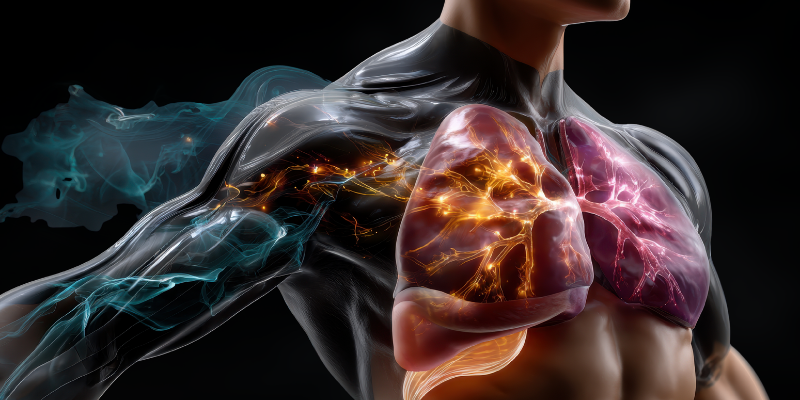
How Poor Sleep Locks Fat Storage After 40
Sleep and fat loss after 40 are inseparable.
When sleep quality declines:
✅ Cortisol remains elevated
✅ Insulin sensitivity drops
✅ Growth hormone output decreases
✅ Thyroid conversion slows
Even if total sleep hours look acceptable, shallow or fragmented sleep keeps the nervous system in a threat state.
Fat loss does not occur when the body expects tomorrow to require survival energy.
This is why sleep optimization often restarts fat loss faster than additional training.
Cortisol Isn’t the Villain — Chronic Stress Is
Cortisol is essential.
You need it to:
🔹 Wake up
🔹 Train
🔹 Mobilize energy
The issue is chronic elevation without resolution.
After 40, stress accumulates from:
🔹 Work demands
🔹 Family responsibility
🔹 Training load
🔹 Undereating history
🔹 Sleep disruption
🔹 Inflammation
When cortisol never fully settles, stress and metabolism become locked together — and fat loss pauses as a protective response.
Training, Food, and Recovery Are One Signal
This is where most people fail.
They treat training, nutrition, and recovery as separate levers.
The body doesn’t.
It reads them as one combined signal.
If training is intense but recovery is poor → stress
If food is controlled but sleep is shallow → stress
If calories increase but nervous system stays alert → stress
Only when all three support safety does fat loss resume.
What Recovery Actually Looks Like After 40 (Not Spa Nonsense)
Recovery after 40 is not passive.
It’s strategic nervous system regulation.
True recovery includes:
✅ Structured training intensity
✅ Adequate calories for signal restoration
✅ Consistent sleep timing
✅ Predictable routines
✅ Nervous system downshifting
Foam rolling, massages, and supplements help — but they do not override chronic stress signals.
Simple Recovery Levers That Restart Fat Loss
These are not hacks. They are permissions.
The Highest-Impact Levers:
✅ Sleep timing consistency
✅ Deloads and volume cycling
✅ Adequate carbohydrate intake for recovery
✅ Walking and low-intensity movement
✅ Breathwork and downregulation rituals
When these are implemented correctly, recovery and fat loss after 40 begin to align again.
Old Mindset vs After-40 Recovery Strategy
| Old Fat Loss Mindset | After-40 Recovery Strategy |
|---|---|
| Burn more calories | Build recovery capacity first |
| Train harder every week | Cycle intensity + deload on purpose |
| Eat less to “get lean” | Fuel to restore safety signals |
| Ignore sleep if workouts are consistent | Protect sleep to unlock fat release |
| Force results with more effort | Create permission for fat loss |
Research Support
Chronic stress alters cortisol rhythms, impairing fat oxidation and metabolic flexibility in middle-aged adults.
→ McEwen BS, 2007, “Physiology and Neurobiology of Stress and Adaptation,” Physiological Reviews
Sleep restriction reduces insulin sensitivity and increases fat storage independent of calorie intake.
→ Spiegel K, Leproult R, Van Cauter E. “Impact of sleep debt on metabolic and endocrine function.” The Lancet, 1999.
Ready to Rebuild Your Energy & Resilience?
Discover how anti-aging peptides, fitness, and functional lifestyle design can help you age actively—not passively. Your next chapter starts now.
Recovery & Fat Loss FAQs After 40
recovery and fat loss after 40, nervous system and fat loss, sleep and fat loss after 40, stress and metabolism, cortisol and fat loss