Eating more to lose fat after 40 sounds like bad advice.
By this stage, most people have internalized one rule:
✅ If fat loss stalls, calories must be too high
So they cut harder.
They tighten portions.
They remove foods.
They push longer deficits.
And fat loss gets worse, not better.
To understand why, you have to understand the stall itself first.
This article is part of the Fat Loss After 40 Recovery Framework.
Chronic Restriction Changes How the Body Defends Fat
After 40, the body becomes far more responsive to long-term energy shortage.
When calories stay low for too long:
🔹 Thyroid output downshifts
🔹 Resting metabolism declines
🔹 Stress hormones remain elevated
🔹 Muscle tissue becomes expendable
None of this happens because you “failed.”
It happens because the body adapts to survive.
This is where fat loss resistance begins.
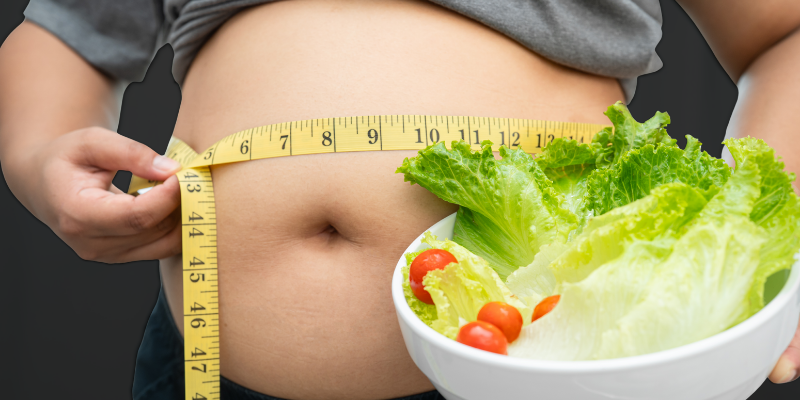
Why Eating Less Eventually Stops Working After 40
Early dieting success creates a dangerous assumption:
🔹 If eating less worked before, it must work again
After 40, the margin for error is smaller.
Extended deficits now create:
🔹 Lower training performance
🔹 Poor sleep quality
🔹 Increased hunger and cravings
🔹 Reduced fat oxidation
Fat loss doesn’t stall because calories stopped mattering.
It stalls because the signals behind calorie use changed.
This Is Not About “Cheat Meals” or Overeating
Eating more to lose fat after 40 does not mean:
🔹 Eating randomly
🔹 Turning refeeds into binges
🔹 Ignoring structure or accountability
That mistake keeps people stuck in cycles.
What actually works is strategic restoration — not indulgence.
When Eating More Is the Correct Move
Increasing intake becomes the right move when:
✅ Fat loss hasn’t moved in months
🔹 Despite consistency
✅ Training performance is declining
🔹 Weights feel heavier, not stronger
✅ Sleep quality is poor
🔹 Or waking feeling unrefreshed
✅ Hunger feels constant or chaotic
🔹 Even on “clean” diets
At this point, more restriction usually deepens the stall.
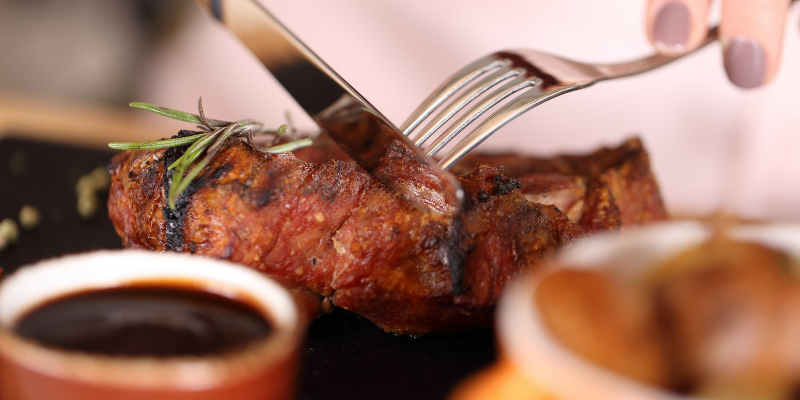
Protein Is the Safest Way to Increase Intake After 40
Protein is the first lever to pull — always.
Protein helps by:
🔹 Preserving lean mass
🔹 Improving satiety
🔹 Increasing thermic effect of food
What works best for most adults:
🔹 Protein anchored at every meal
🔹 Roughly 0.7–1.0g per pound of goal bodyweight
🔹 Prioritized around training
Protein tells the body:
muscle is needed — fat can be released.
Carbohydrates Restore Signals That Support Fat Loss
Carbohydrates aren’t the problem.
Timing and consistency are.
After 40, carbs help fat loss by:
🔹 Lowering cortisol
🔹 Supporting thyroid signaling
🔹 Improving training output
Effective carb use looks like:
🔹 Carbs placed around workouts
🔹 Stable daily intake
🔹 Avoiding large swings
Carbs restore performance.
Performance protects muscle.
Muscle drives fat loss.
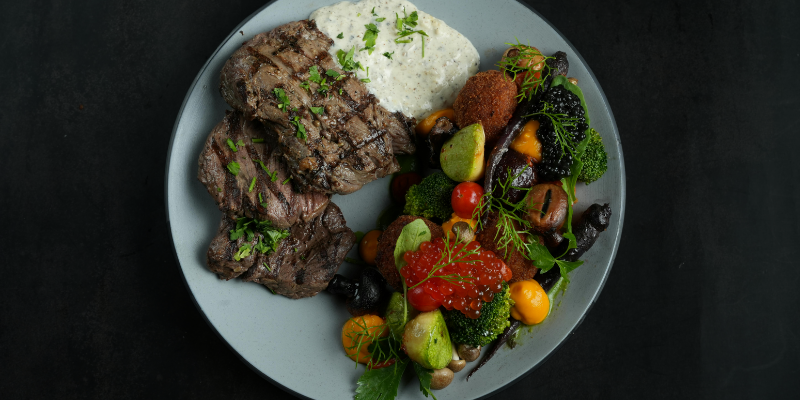
Why Reverse Dieting Works After 40
Reverse dieting isn’t a trick.
It’s repair.
By slowly increasing intake:
🔹 Metabolic rate stabilizes
🔹 Hormonal signals normalize
🔹 Training quality improves
Fat loss often resumes after calories increase — not before.
This is why structure matters more than willpower.
Old Dieting Mindset vs After-40 Fat Loss Strategy
| Old Dieting Mindset | After-40 Strategy |
|---|---|
| Cut calories harder | Restore intake gradually |
| Fear carbohydrates | Use carbs strategically |
| Ignore performance | Track strength and energy |
| Permanent deficit | Phased nutrition cycles |
What the Research Shows
Prolonged calorie restriction reduces resting metabolic rate beyond what weight loss alone predicts.
→ Rosenbaum M, Leibel RL. Adaptive thermogenesis in humans. International Journal of Obesity, 2010.
Adequate energy availability supports hormonal balance and training performance.
→ Loucks AB. Energy availability and endocrine function. Journal of Sports Sciences, 2004.
If fat loss hasn’t moved in months, eating less is rarely the fix. Restoring fuel often removes the brakes that chronic dieting installed.
Stuck in a Diet Loop After 40?
If fat loss stopped responding, more restriction may be the problem. Learn how strategic fueling can restore metabolism and restart progress.
Eating More and Fat Loss After 40: FAQs
eating more to lose fat after 40, reverse dieting after 40, fat loss resistance, metabolism after 40