Fat loss after 40 doesn’t fail because of laziness or lack of discipline.
It fails because the rules change — and most fat loss strategies never adapt.
If you’ve trained harder, eaten cleaner, and stayed consistent only to hit a wall, this framework exists to explain why effort alone stops working and what actually controls fat loss after 40.
This page connects every article in the series into one clear system.
The After-40 Fat Loss Reality
After 40, fat loss is no longer driven by effort.
It is regulated.
Your body decides whether fat is released or stored based on:
✅ Hormonal signaling
✅ Recovery capacity
✅ Nervous system state
Until those signals align, fat loss remains locked — regardless of calories or training volume.
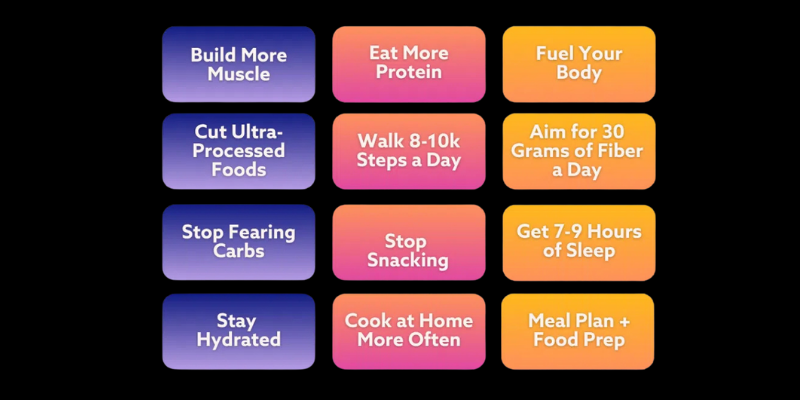
The 7-Part Fat Loss After 40 Framework
Each article below solves one layer of the problem.
They are designed to be read in order.
Article #1: Why Fat Loss Stops After 40
What it explains:
Why strategies that worked for decades suddenly stop producing results.
Article #2: How Hormones Change Fat Loss After 40
What it explains:
How estrogen, testosterone, thyroid, and insulin now control fat loss outcomes.
Article #3: Why More Effort Backfires After 40
What it explains:
Why pushing harder often increases fat storage instead of reducing it.
Article #4: Fat Loss Is a Signal, Not a Punishment
What it explains:
Why the body must perceive safety before releasing stored fat.
Article #5: Training Stress and Fat Loss After 40
What it explains:
How training volume, intensity, and recovery determine progress.
Article #6: Why Eating More Can Restart Fat Loss After 40
What it explains:
Why chronic under-fueling suppresses metabolism and recovery.
Article #7: Recovery and Fat Loss After 40
What it explains:
Why the nervous system is the final gatekeeper of fat loss.
The Core Principle Behind the Framework
You cannot force fat loss after 40.
You must create permission.
That permission comes from:
✅ Adequate recovery
✅ Stable hormones
✅ A regulated nervous system
When those systems align, fat loss resumes naturally — often without increasing effort.
When This Framework Feels Uncomfortably Accurate
If reading these articles feels like someone finally described your experience, that’s not coincidence.
Most fat loss stalls after 40 are not calorie problems.
They are recovery and regulation problems.
Ready to Apply This Framework Personally?
Ready to Rebuild Your Energy & Resilience?
Discover how anti-aging peptides, fitness, and functional lifestyle design can help you age actively—not passively. Your next chapter starts now.
What the Research Shows About Fat Loss After 40
Chronic stress and inadequate sleep reduce insulin sensitivity and impair fat oxidation, even when calorie intake is controlled.
→ Spiegel K, Leproult R, Van Cauter E. “Impact of sleep debt on metabolic and endocrine function.” The Lancet, 1999.
Persistent activation of the stress response alters cortisol rhythms and suppresses metabolic flexibility in midlife adults.
→ McEwen BS. “Physiology and neurobiology of stress and adaptation.” Physiological Reviews, 2007.